



| Sign in | NE Careers | RSS Feeds | Partners | Contact Us | About NE |
|
After scandal, Swiss bank secrecy veil may lift
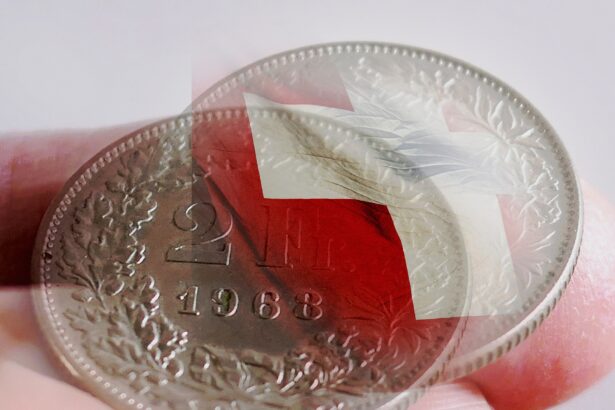
Switzerland will not give up its banking secrecy laws, but some concessions may need to be made to appease objectors, Swiss President Hans-Rudolf Merz has said. Banking secrecy is anchored in Swiss law but "we need to accept discussion on it and make a few concessions," Merz told a conference marking the creation of the new Radicals-Liberals political party on Saturday in Bern.Failure to open debate on the issue could result in Switzerland being blacklisted as an uncooperative tax haven by the Organisation for Economic Co-operation and Development, he said, which in turn would lead to sanctions against banks and serious consequences for the financial sector, swissinfo reported. Banking secrecy also came under criticism from Oswald Grubel, the new head of Switzerlands largest bank, UBS, who replaced Marcel Rohner, who had been under fire for the banks failures. UBS Chairman, Peter Kurer, was also forced out as he said he would not seek reelection and the board of directors would nominate Kaspar Villiger to replace him. Villiger was a Swiss finance minister for some eight years from the late 1990s. "I now think it is time to complete this transition and leave the office at the end of my one-year term," said Kurer. UBS, has been hardest hit in Europe by the financial crisis and has taken a massive write-down on investments in bad assets, about USD 40 billion of which were transferred late last year to a troubled asset fund as part of a bailout deal reached with the government and central bank. "No one could have reasonably foreseen the extent and speed of deterioration of market conditions affecting the financial services industry. The impact on UBS has been significant," said the banks Vice-Chairman, Sergio Marchionne. Villiger said he accepted the nomination "out of a sense of service to this country and its people." Swiss banking secrecy laws need to be changed in order to ease the political pressure from other countries, Grubel said in an interview published in the Finanz und Wirtschaft newspaper. "It's questionable whether we can continue to hide tax evaders behind banking secrecy," said Grubel. He added that other countries were using the issue of banking secrecy to attack Switzerlands position as a leading centre for wealth management, in order to force billions of dollars back into their own financial centres. UBS is currently the subject of a probe by US authorities into whether it helped wealthy Americans illegally evade USD 200 billion (234 billion Swiss francs) in taxes. Earlier this month, the bank was forced to pay USD 780 million in fines and handed over the names of around 300 suspected tax fraudsters to the US. There was bad news and red ink all over Switzerlands once-famed banking industry as the Swiss National Bank said that its losses for 2008 stood at 4.7 billion Swiss francs (3.17 billion Euro.) Meanwhile, the stabilisation fund set up for illiquid assets from UBS showed a loss of USD 1.69 billion (1.34 billion Euro) for the year, about 50 million more than the equity contribution from the embattled banking giant. However, the national bank said it had a secondary protection in the form of 100 million UBS shares and therefore "the stabilisation funds financial situation has no impact on the SNBs annual result for 2008." Banks can create and destroy - markets and countries Down with the bankers, loan sharks who swim on the land EU: Banks hide key info from customers Swiss and French bank war of words over assets Solving the EU’s recession isn’t easy blog comments powered by Disqus |
Related Stories Banks can create and destroy - markets and countries Down with the bankers, loan sharks who swim on the land EU: Banks hide key info from customers Swiss and French bank war of words over assets Solving the EU’s recession isn’t easy |
|