







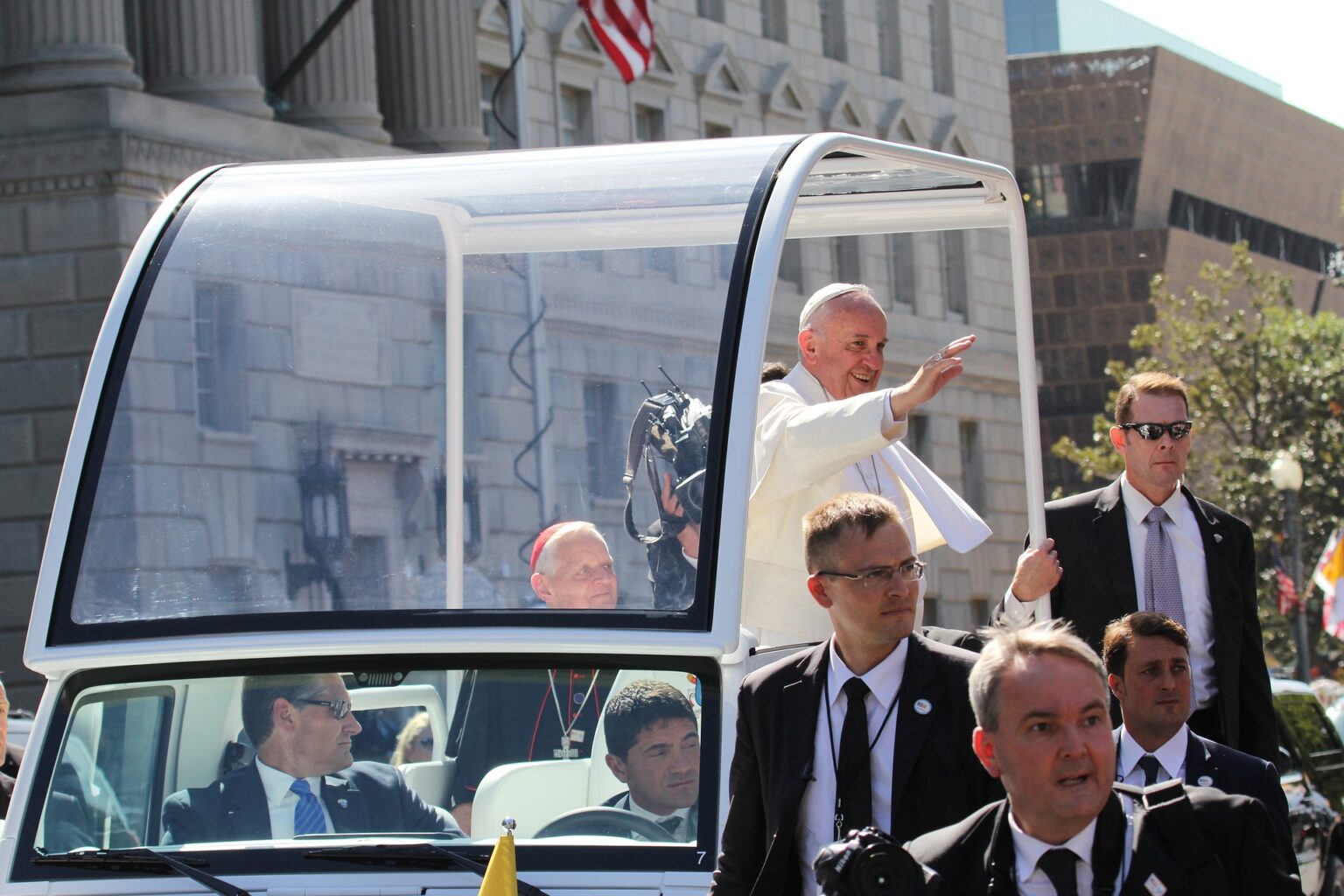
Habemus Papam: Neuer Papst verspricht neuen Lebensstil im Vatikan
Die Ausrufung "Habemus Papam!" hallt traditionell durch den Petersplatz in Rom, sobald ein neuer Papst gewählt wurde. Sie bedeutet "Wir haben einen Papst!".…





Neurope.eu – News aus Europa
Neurope.eu – News aus Europa




So Umgehen Sie DNS Netzsperren
Das Internet ist ein grenzenloser Raum des Wissens und der Möglichkeiten. Aber manchmal begegnen wir DNS Netzsperren, welche den Zugang zu bestimmten Inhalten…

Zahnzusatzversicherung: Wer sollte diese Police abschließen?
Als Experten für Zahnzusatzversicherungen sind wir stets bemüht, unseren Kunden die bestmögliche Absicherung für ihre Zahngesundheit zu bieten. In diesem Artikel werden wir…

EU soll Einwanderersprachen unterstützen
Das Konsortium Language Rich Europe (LRE) hat die Europäische Union (EU) und ihre Mitgliedsstaaten aufgefordert, ihre Sprachenpolitik zu verbessern, die wirtschaftliche Wettbewerbsfähigkeit zu…

Ein verstellbarer Schreibtisch – eine beliebte Idee zur Vorbeugung von Krankheiten und zur Verbesserung der Arbeitseffizienz
In diesem Artikel wollen wir darüber sprechen, warum sich die Anschaffung trotz der Zweifel an den veröffentlichten Testergebnissen lohnen kann. Wer lange Zeit…
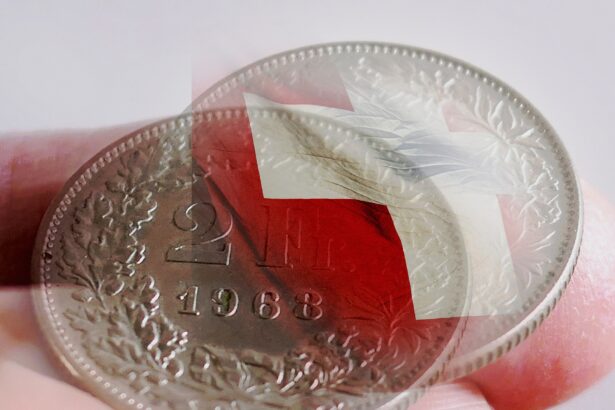
Steuersysteme in der Schweiz und in Deutschland im Vergleich
In der Schweiz ist das Steuersystem stark föderalistisch ausgerichtet. Die Steuerhoheit liegt auf drei Ebenen: Bund, Kantone und Gemeinden. Jede dieser Ebenen erhebt…

Was ist die wahre Wahrheit über die griechische Katastrophe
In der Welt der internationalen Finanzen war das Jahr 2009 durch eine beispiellose Situation gekennzeichnet: die griechische Katastrophe. Doch was steckt wirklich dahinter?…